Chris Taylor
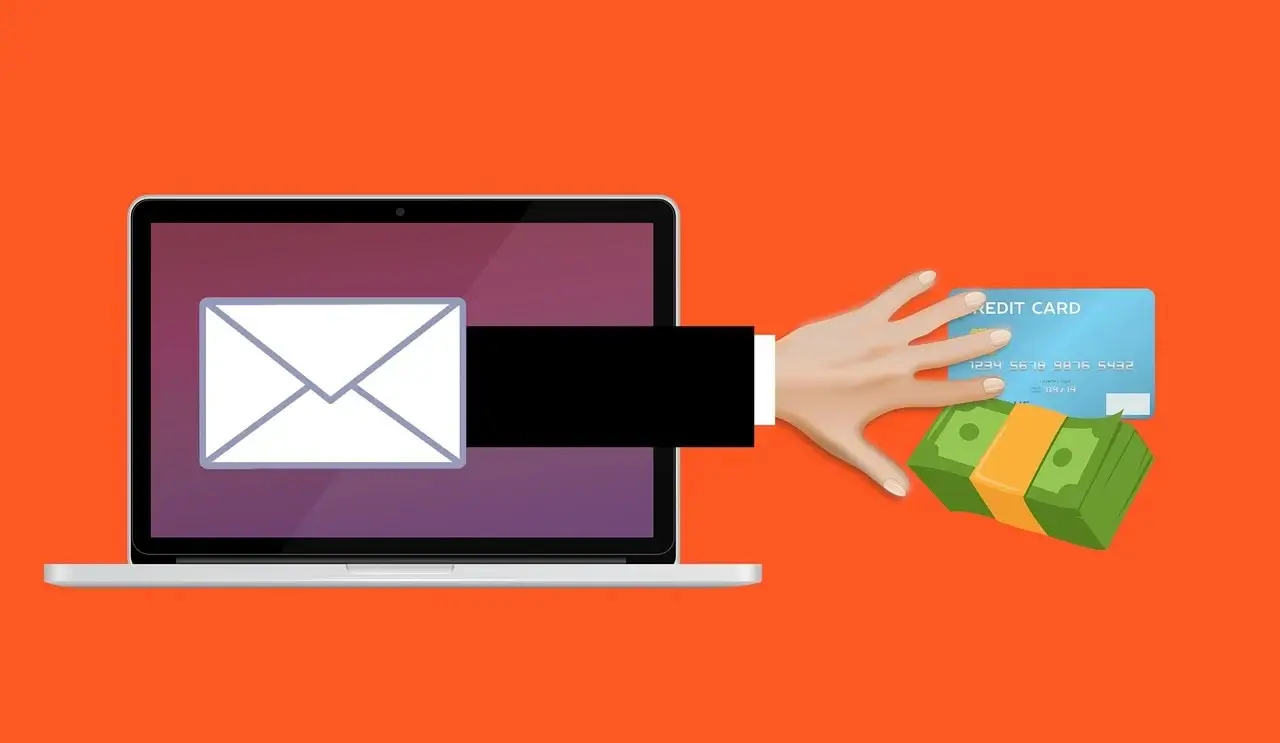
Talk about an epic face-palm moment. Last fall, I, a personal finance writer who preaches security, got totally played by a phishing scam. Seriously, the irony is thick enough to spread on toast.
I received an email that looked like it came from my web host, claiming there was a hiccup with my payment info and urging me to update it ASAP. Thinking about a site change I’d made the day before, I clicked the link, typed in my credit card number, and went about my day.
The next morning? Two massive, unauthorized purchases on my credit card statement. A scammer had successfully fished my payment info.
I know, I know—I should know better than to click links in emails claiming to be from a financial institution. But because this email was from my web host (not my bank) and because my brain was focused on my website updates, I let my guard down. Big mistake.
Thankfully, I check my credit card balance daily, so the scammers didn’t get away with the goods. But let me tell you, cleaning up that mess took several months. The moral of the story?
Proactive protection beats reactive cleanup every single time.
Here is the essential guide to keeping your plastic safe from sneaky thieves, both online and off.
Guarding the Physical Card (The Old-School Theft)
Believe it or not, the easiest way for a scammer to grab your “sweet, sweet money” is to simply steal your actual card. With the physical card in hand, they have everything: the number, the expiration date, and the security code.
Slim Down Your Wallet
Don’t lug around every single card you own. A bulging wallet is a thief’s dream. If you lose it, or someone snags one when you’re distracted, you might not even realize it’s gone immediately if you have a dozen others.
The Restaurant Ritual
It’s super easy to forget your card after paying a dinner bill (especially if you’ve had a glass of wine or two). Make it a non-negotiable habit to confirm your card is back in your wallet before you stand up to leave.
Speed is Security: If a card goes missing—whether it was lost or stolen—call your bank immediately. The faster you lock down the card, the less likely a scammer can rack up fraudulent charges. Keep your bank’s emergency number saved or written down somewhere easily accessible.
Spotting a Card Skimmer (The High-Tech Lure)
Credit card thieves are also going high-tech with devices called skimmers. These tiny, nefarious contraptions are placed over the legitimate card reader, often at gas pumps or ATMs.
When you swipe, the skimmer reads and captures all the data stored on your magnetic stripe. On ATMs, they sometimes even set up a tiny hidden camera to record your PIN!
How to Spot a Skimmer
Give it a Wiggle: A real card reader should be firmly attached and flush with the machine panel. Skimmers often stick out a bit or, more tellingly, jiggle or move slightly when you try to move them.
Check the Pin Pad: Does the PIN pad look unusually thick or bulky? That could mean a fraudulent overlay is sitting on top.
If it Looks Hinky, Walk Away: If anything about the card slot or machine seems even slightly off—go to a different gas station or ATM. Your security is worth the extra minute of driving.
Protecting Your Numbers at Home (Yes, Even Your Trash)
Even the sanctity of your home isn’t safe from determined fraudsters.
Mind Your Mail: Your sensitive info—statements, card offers, and the new cards themselves—come through the mail. While mail theft is a federal crime, it still happens. Collect your mail daily, and always put a hold on it when you’re out of town.
Shred Before You Shed: Scammers are not above dumpster diving to find documents with your card numbers or identifying information. Invest in a good cross-cut shredder and use it for any paperwork that has account numbers, credit card details, or other personal identifiers before it hits the trash or recycling.
Beware the Unsolicited Call Never, ever share your credit card numbers over the phone unless you initiated the call to a trusted, known number. Scammers are experts at posing as bank agents or favorite merchants. If you get a call like this, hang up and call the institution back using the main phone number listed on their official website or on the back of your card.
Keeping Your Cards Safe Online (The Phishing Trap)
And finally, my moment of shame. Here’s what you need to know to avoid the online traps that got me:
Never, ever enter payment information after clicking a link in an email, no matter how legitimate it looks. Phishers are masters of replication.
Beyond that golden rule, if you find yourself tempted to click, look for these tell-tale signs:
Check the Actual Email Address: A scam email might have a legitimate-looking display name (like “PayPal Security”). But if you hover over that name or view the sender details, you’ll see the real email address—and it often looks like a garbled mess that doesn’t match the company’s official format.
HTTPS and the Lock Icon: Any legitimate site asking for financial information must have a secure URL. A secure connection always starts with `https://` (the “s” stands for secure) and features a small lock icon in your browser bar. If these elements are missing when you’re being asked to pay, close the window immediately.
Daily Habits for Bulletproof Security
These everyday practices are your final line of defense against credit card theft:
Unique, Strong Passwords: Use a unique, strong password for every single online financial service—from banking to shopping. Don’t write them on a sticky note next to your screen! Use a reputable password manager instead.
Review Your Statements Daily (or Near Daily): This is the habit that saved my bacon. Regularly checking your credit card and bank statements ensures you catch fraudulent purchases fast. The sooner you catch it, the sooner you can shut down the card and stop the scammers from getting what they paid for.
Stay vigilant out there, and don’t let a momentary lapse of judgment turn into a months-long security nightmare like mine!